

Autorka: Anna Serwińska
Diagnosta i terapeutka integracji sensorycznej, gabinet Sensorini w Olsztynie
Opublikowano 13 stycznia 2026
If you’re a parent in Olsztyn and you’re noticing that your child is “struggling with everyday things” - clothes, noise, touch, movement, focus, emotions, eating, or coordination - sensory integration (SI) therapy may be a supportive next step. At Sensorini in Olsztyn (ul. Partyzantów) we provide sensory integration sessions designed to help children feel more regulated, confident, and comfortable in their daily life.
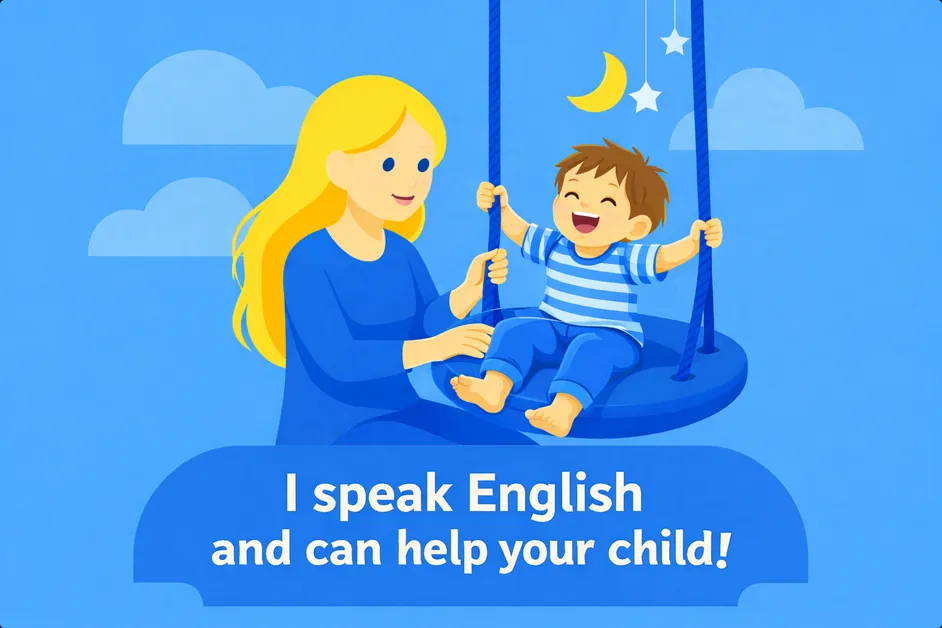
I speak English and I’m happy to guide you through the process and support your child in English as well - from the first conversation to ongoing sessions.
Typical Signs of Sensory Integration Difficulties
Parents often say: “I feel that something is difficult for my child, but I can’t quite explain what it is.” Sensory integration difficulties can affect many areas of a child’s everyday life and may look different from one child to another.
Common signs include:
- strong reactions to noise, touch, light, or smells
- discomfort with clothing, socks, seams, or labels
- difficulties with attention and sensory overload
- constant movement, jumping, crashing, or climbing
- impulsivity and challenges with emotional regulation
- selective eating related to texture, smell, or temperature
- poor balance, coordination, or motor planning
- difficulty calming down or, on the opposite end, appearing constantly tired
A single behavior alone does not mean a diagnosis. What matters is whether these patterns are persistent, intense, and interfere with daily functioning at home, in kindergarten, or at school.
Write to me or call me. I speak English.
Anna 663 518 937 (can be whatsupp)
I am here:
Sensory Integration Assessment at Sensorini
At Sensorini in Olsztyn (ul. Dworcowa), sensory integration assessment is conducted in a calm, child-friendly environment. The goal is not to label a child, but to understand how their sensory system works and how we can support them effectively.
The assessment usually includes:
- an in-depth parent interview about development and daily challenges
- structured and free-play observation of the child
- evaluation of sensory responses, motor skills, balance, and body awareness
- a clear explanation of findings and next steps
After the assessment, parents receive practical guidance, including:
- whether SI therapy is recommended
- suggested frequency of sessions
- simple strategies that can be used at home and at school
I speak English and I’m happy to guide you through the entire process in English, making sure you feel informed, supported, and confident in the decisions you make for your child.
What is Sensory Integration (SI)?
Sensory integration is the way a child’s nervous system receives and organizes information from the senses - touch, movement (vestibular), body awareness (proprioception), vision, hearing, smell, and taste. When this process is inefficient, a child may react “too strongly” or “not strongly enough,” or may seem constantly dysregulated.
SI therapy focuses on helping the brain process sensory input more smoothly, so the child can:
- feel safer and calmer in their body
- improve attention and self-control
- reduce overwhelm and meltdowns
- develop coordination, balance, and planning skills
- handle everyday tasks with less stress
Signs Your Child May Benefit From SI Support
Parents often come in saying: “Something feels hard for them, but I can’t fully explain it.” Common concerns include:
Sensory over-responsivity (sensory sensitivity)
- strong reactions to noise (hand dryers, vacuum cleaner, crowds)
- discomfort with clothing (labels, socks, tights, certain fabrics)
- avoiding messy play (sand, paint, glue, slime)
- picky eating linked to texture, smell, temperature
Sensory under-responsivity (low registration)
- seems “not noticing” cues: name calling, pain, cold/warm
- seeks intense sensations to feel “awake”
Sensory seeking
- constantly moving, jumping, crashing, climbing
- chewing on objects, putting things in mouth
- spinning, rocking, bumping into people/furniture
Motor and daily-life challenges
- poor balance, coordination, frequent falls
- difficulty with handwriting, scissors, or sports skills
- trouble with transitions, emotional regulation, sleep routines
- struggling to focus, appearing “restless” or “switched on”
These patterns can appear alone or alongside other developmental needs. The goal is not to label a child, but to understand what their nervous system is asking for.
How SI Therapy Sessions Look in Practice
A sensory integration session is not “exercise class” and not “discipline training.” It’s purposeful, play-based work that meets your child where they are.
At Sensorini, sessions often include:
- movement activities (swings, balance work, obstacle courses)
- deep pressure and body awareness games (pushing, pulling, carrying)
- fine motor play (hands, grip, coordination, planning)
- regulation strategies (helping the child calm, focus, and transition)
- gradual work with challenging sensations (in a safe, respectful way)
A well-run session looks like play - but it’s structured and intentional. The child is guided toward the “just right” level of challenge: not overwhelming, not too easy.
Where Are SI Sessions Held in Olsztyn?
Sensorini - Olsztyn, ul. Partyzantów 31/5
SI sessions are provided at Sensorini in Olsztyn, ul. Dworcowa.
If you’re an English-speaking parent (or you simply prefer to communicate in English), you’re welcome here - I speak English and I’ll gladly help your child. This can make the first steps much easier, especially if you’re new to Poland or you want to be fully confident you understand what’s happening and why.
What Happens First?
Many parents worry they have to “know for sure” before they contact a specialist. You don’t. A good first step is a short conversation about your child’s daily difficulties.
Typical first-stage process:
- Initial contact - you describe concerns and your child’s behaviors
- Observation / intake - understanding sensory patterns and daily functioning
- Plan for support - goals, session frequency, and what to do at home
How Long Does SI Therapy Take?
Every child is different. Some families notice changes within a few weeks (better transitions, calmer body, less conflict around clothing or routines). Others need longer work, especially if challenges are broader (motor planning, posture, emotional regulation).
What matters most is consistency, good collaboration with parents, and practical strategies that carry over into real life: home, kindergarten, school.
What Parents Can Do at Home (Simple, Realistic Ideas)
SI therapy works best when home routines support regulation. Examples:
- predictable transitions (short warnings before changes)
- “heavy work” play: carrying, pushing, pulling, climbing (safe options)
- calm-down corner with a few trusted tools (blanket, soft light, headphones)
- reducing sensory overload in the most difficult moments (not all day)
- consistent sleep and meal routines as much as possible
You don’t need to turn your home into a therapy room. Small changes done consistently can help a lot.
Common Questions Parents Ask
Is sensory integration therapy only for small children?
It’s most common in early childhood, but older children can benefit too - especially when daily functioning and learning are impacted.
Is it the same as autism or ADHD?
Not the same. Sensory processing differences can appear with or without other diagnoses. The focus is on what helps the child function better.
Will my child “grow out of it”?
Some sensitivities can change with development, but if a child is struggling daily, support can reduce stress and prevent secondary problems (anxiety, low confidence, school avoidance).
Sensory Integration Therapy in English in Olsztyn
If you’re looking for sensory integration support in Olsztyn and you want clear communication in English, you’re in the right place.
Sensorini (ul. Dworcowa, Olsztyn) offers SI sessions and practical parent guidance - and I speak English and I’m happy to help your child.
If you want, paste a short description of your child (age + 3-5 behaviors you notice most). I’ll turn it into a clean “parent summary” you can use when contacting Sensorini, plus a shortlist of goals that usually make sense for the first month.
Artykuł ma charakter edukacyjny i nie zastępuje indywidualnej diagnozy ani konsultacji z lekarzem, psychologiem, fizjoterapeutą lub terapeutą integracji sensorycznej. Jeśli niepokoi Cię rozwój dziecka, skonsultuj się ze specjalistą.
Dodaj komentarz